Lessons from Microsoft’s Azure Network Team and the Need for Abstraction
Two years ago, I had the opportunity to interview with Microsoft’s Azure Network team, the group responsible for the configuration, management, and supervision of the millions of switches that keep Azure’s vast infrastructure running smoothly. This team operates in a complex environment where switches from various brands, each with its unique programming interface and domain-specific language, need to be managed in a cohesive and synchronized manner. The diversity in switch technologies and configurations presents significant challenges in change and configuration management.
To address these challenges, the Azure Network team developed the Switch Abstraction Interface (SAI) and Software for Open Networking in the Cloud (SONiC). SAI serves as an abstraction layer, simplifying the complexities of different switch interfaces, while SONiC revolutionizes the way network switches are managed by breaking down monolithic switch software into multiple containerized components. This modular approach not only makes it easier to manage the switches that underpin Azure’s infrastructure but also enhances scalability and flexibility.
The Power of Abstraction in IT Infrastructure
Reflecting on my own experience in Enterprise Service Bus (ESB) and Enterprise Application Integration (EAI), I have seen firsthand the transformative power of abstraction. ESB and EAI frameworks are designed to integrate diverse systems, applications, and services into a unified management and configuration framework, allowing enterprises to operate with greater technical flexibility and interoperability. This level of abstraction is crucial for managing complex IT infrastructures, as it allows organizations to transcend the limitations imposed by specific technologies and vendor lock-ins.
Abstraction acts as a bridge, enabling disparate systems to communicate and work together seamlessly. In the context of Azure, SAI and SONiC allow Microsoft to manage a diverse array of switches with a single, consistent approach. This reduces the operational overhead associated with managing different switch brands and their unique interfaces, ultimately driving efficiency and reliability in Azure’s network infrastructure.
The Coming Wave of AI Hardware Diversity
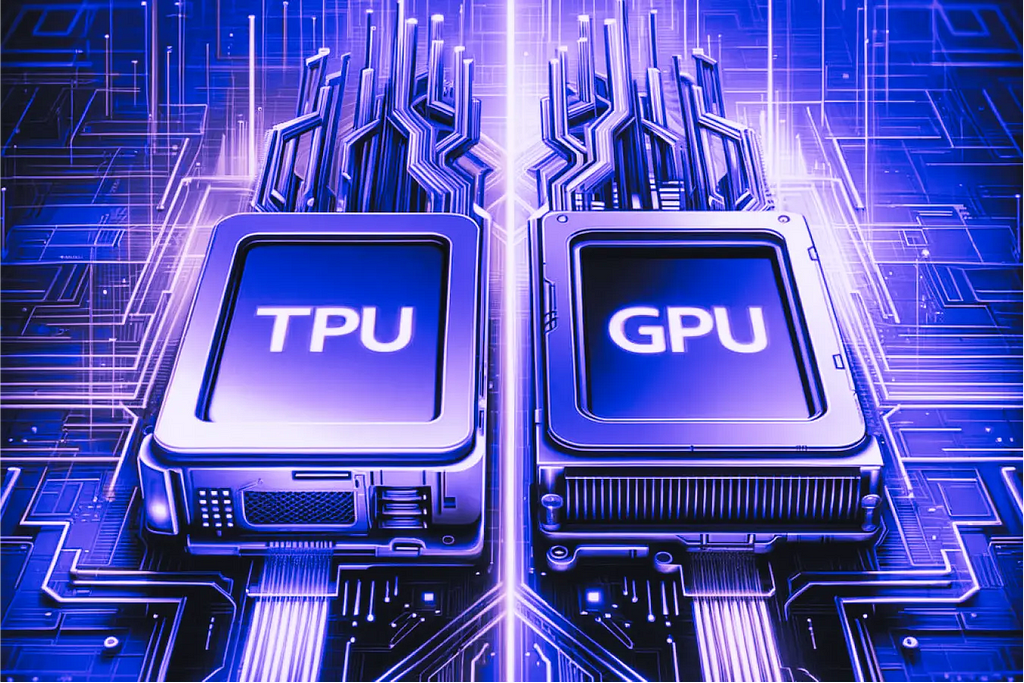
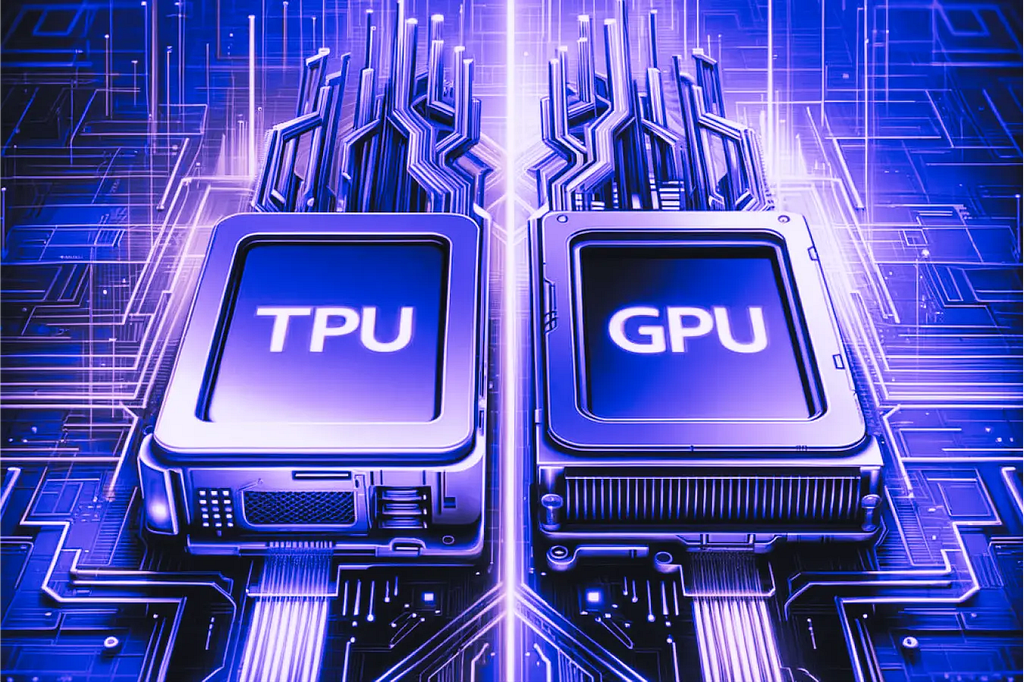
As we look to the future, the concept of abstraction becomes even more critical with the rapid advancements in AI and machine learning. Major tech companies like Microsoft, Google, Amazon, and NVIDIA are heavily investing in this space, not just through software innovations but also by developing specialized hardware like Graphics Processing Units (GPUs) and Tensor Processing Units (TPUs). These hardware accelerators are essential for handling the massive computational loads required by AI applications, and they are becoming increasingly diverse in their design and capabilities.
Just as the Azure Network team faced the challenge of managing diverse switch hardware, AI integrators and operators will soon confront a landscape filled with a multitude of AI hardware options. Each of these devices will have its unique performance characteristics, programming interfaces, and optimization requirements. Without a unified approach, the complexity of integrating and managing these diverse hardware components could become a significant bottleneck, hindering the adoption and deployment of AI solutions.
The Need for AI Hardware Abstraction and Interoperability
The emergence of diverse AI hardware platforms will create a pressing need for abstraction and interoperability solutions akin to what SAI and SONiC offer for network switches. AI entrepreneurs and developers will need tools that can simplify the complexity of managing different AI accelerators, enabling them to focus on building innovative applications rather than getting bogged down in the intricacies of hardware integration.
Abstraction in AI hardware management will involve creating a unified interface that can accommodate the varying requirements of different GPUs, TPUs, and other AI-specific processors. This interface will need to provide common functions for managing resources, scheduling workloads, and optimizing performance across heterogeneous hardware environments. By doing so, it will allow AI operators to deploy their models on the best-suited hardware without needing to rewrite code or reconfigure their infrastructure for each new device.
The Entrepreneurial Opportunity
For AI entrepreneurs, this presents a significant opportunity. The need for hardware abstraction and interoperability is not just a technical challenge; it’s a market gap waiting to be filled. Companies that can offer solutions to manage the growing diversity of AI hardware will be at the forefront of the next wave of AI innovation. These solutions could take the form of middleware platforms, software development kits (SDKs), or cloud services that abstract the complexity of hardware integration and provide a seamless experience for AI developers.
Moreover, as AI continues to evolve, the importance of flexibility and scalability will only increase. Enterprises will demand solutions that allow them to quickly adapt to new hardware innovations without undergoing costly and time-consuming system overhauls. This is where the true value of abstraction lies — in enabling organizations to remain agile in a rapidly changing technological landscape.
Building the Future of AI with Abstraction
Looking back at my interview with Microsoft’s Azure Network team, I realize that their approach to solving the challenges of switch management through abstraction is a blueprint for addressing the upcoming complexities in AI hardware. Just as SAI and SONiC have made it easier to manage a diverse array of network switches, similar solutions will be essential for managing the diverse AI hardware ecosystem that is emerging.
As an AI entrepreneur, you should be thinking about how to leverage these lessons in your ventures. The future of AI will not be defined solely by the algorithms or data but by how effectively we can integrate and manage the underlying hardware that powers these innovations. By focusing on abstraction and interoperability, you can position your business at the core of this future, providing the tools that will enable the next generation of AI applications.
The path forward is clear: embrace the complexity, but don’t let it slow you down. Instead, abstract it away, build bridges between the disparate pieces of the AI hardware puzzle, and create solutions that empower others to innovate. In doing so, you won’t just be building a product — you’ll be building the infrastructure that will support the future of AI.
P.S.: One of the key takeaways from this experience is the value of listening to professionals — people like venture capitalists, such as Chamath Palihapitiya — who offer insights rooted in firsthand experience. Their voices can be instrumental in helping us navigate the complexities of the problems we aim to solve. This reminder serves as a personal note that I am not finished exploring where good startup pivots originate, much like Steven Johnson’s exploration of the origins of great ideas in his book where good ideas come from.
I remain deeply committed to the vision of SwapJS, a concept I introduced in a story written three years ago. Initially, SwapJS was focused on swapping JavaScript code and frameworks, but as of yesterday, September 11, 2024 — a day marked by reflection and commemoration — it has evolved to address the abstraction and interoperability challenges highlighted in this article. This pivot aligns with my broader mission to simplify complex technical landscapes, a shift inspired by ongoing reflections, professional insights, and guidance from AI. Additionally, I am not done with deepening my understanding and mastering the intricacies of high-performance C/C++ code, a pursuit that continues to be a significant part of my journey because of this.
In Plain English 🚀
Thank you for being a part of the In Plain English community! Before you go:
- Be sure to clap and follow the writer ️👏️️
- Follow us: X | LinkedIn | YouTube | Discord | Newsletter
- Visit our other platforms: CoFeed | Differ
- More content at PlainEnglish.io
The Future of AI Infrastructure was originally published in Artificial Intelligence in Plain English on Medium, where people are continuing the conversation by highlighting and responding to this story.
* This article was originally published here
